
Electronic systems are at the core of modern industrial equipment. From control panels and automation systems to UPS cabinets and power electronics, these devices handle continuous electrical loads. However, one of the most common challenges in such systems is electronic heating, which occurs when electrical components generate heat during operation.
While a certain amount of heat is expected, excessive heat buildup can lead to reduced performance, component failure, and unplanned equipment downtime. Without proper electrical enclosure cooling, heat trapped inside cabinets and panels can quickly accumulate and affect sensitive electronic components.
Understanding the causes of overheating and implementing effective cooling solutions such as proper airflow and the use of electrical cabinet fans is essential for maintaining reliable system operation.
Understanding Electronic Equipment Heating
Electronic heating occurs whenever electrical current flows through a circuit. Every resistor, conductor, and switching component dissipates energy as heat a phenomenon described by Joule's Law. In industrial systems, multiple heat sources operate simultaneously:
- Electrical resistance in wiring and components generates continuous heat under load.
- Switching components like MOSFETs and IGBTs produce thermal pulses during high-frequency operation.
- Transformers and voltage regulators lose energy through core and winding losses.
- Compact, high-density equipment concentrates these heat sources in minimal space.
In open environments, this heat disperses naturally. Inside sealed electrical enclosures, it accumulates, making active thermal management essential.
Common Causes of Overheating in Electronic Equipment
While heat generation is normal, several factors can increase the likelihood of overheating in industrial electronics. Identifying these causes of overheating helps engineers design better cooling strategies.
Poor Airflow Inside Enclosures
Electrical cabinets are often sealed to protect equipment from dust, moisture, and environmental contaminants. However, limited airflow inside these enclosures can trap heat and prevent proper dissipation.
High Electrical Load
Industrial systems operating under heavy electrical loads generate more heat. Power electronics such as inverters, drives, and converters are particularly prone to higher thermal output.
Compact Equipment Design
Modern electronics are becoming smaller and more powerful. When high-performance components are placed in tight spaces, heat concentration increases, leading to faster electronic heating.
Dust and Blocked Ventilation
Dust accumulation on ventilation openings or heat sinks can obstruct airflow. Over time, this reduces the efficiency of cooling systems and contributes to rising internal temperatures.
High Ambient Temperatures
Industrial facilities often operate in environments where ambient temperatures are already elevated. When external heat combines with internal heat generation, the risk of overheating becomes even greater.
Risks and Effects of Electronic Overheating
Excessive heat can negatively affect the reliability and lifespan of electronic equipment. If not managed properly, overheating may lead to several operational issues.
Some of the most common consequences include:
- Reduced Component Lifespan: Electronic components degrade faster at higher temperatures. Prolonged heat exposure can significantly shorten the life expectancy of circuit boards and semiconductor devices.
- System Instability: Overheated electronics may experience signal errors, unstable voltage output, or intermittent system failures.
- Thermal Shutdown: Many modern devices include safety mechanisms that automatically shut down equipment when temperatures exceed safe limits. While this protects components, it can cause unexpected production interruptions.
- Equipment Damage: In extreme cases, overheating can permanently damage electronic parts, requiring costly repairs or replacements.
For industrial operations that depend on continuous uptime, effective electrical enclosure cooling is essential.
What is an Electrical Enclosure Cooling?
Electrical enclosure cooling refers to the methods used to regulate temperature inside electrical cabinets and control panels. Since enclosures often trap heat produced by internal electronics, cooling systems are designed to remove this heat and maintain safe operating temperatures.
Cooling solutions generally focus on improving airflow and promoting heat dissipation within the cabinet. Common approaches include:
· Air ventilation systems
· Cooling fans that circulate air
· Strategic airflow pathways
· Heat sinks and thermal management components
Among these solutions, forced airflow using cooling fans is one of the most widely used techniques for managing electronic heat in industrial systems.
Cooling Methods Used in Electrical Cabinets
Several cooling strategies can help manage the heat generated inside electrical enclosures.
Electrical Cabinet Fans
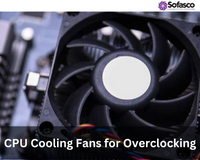
One of the most effective solutions is the use of electrical cabinet fans, which actively circulate air inside the enclosure. These fans draw cooler air into the cabinet while pushing hot air out, helping maintain a stable internal temperature.
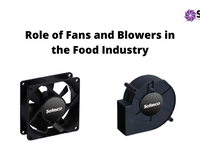
Industrial cooling fans Like DC brushless fans, Axial fans are commonly installed in control panels, power distribution cabinets, and automation systems to prevent heat buildup.
Ventilation and Airflow Design
Proper airflow design is critical for effective cooling. Cabinets often include ventilation openings that allow air to enter and exit the enclosure.
A well-designed airflow path ensures that cool air reaches heat-generating components while warm air is expelled efficiently.
Heat Dissipation Components
Heat sinks and thermal management components are also used to absorb and dissipate heat away from sensitive electronics. When combined with airflow from cooling fans, these components improve overall thermal performance.
Role of Electrical Cabinet Fans in Electrical Panel Cooling
Cooling fans play a key role in electrical panel cooling by ensuring consistent air movement inside enclosures. Without active airflow, heat produced by electronic components tends to accumulate around circuit boards and power devices.
By installing electrical cabinet fans, equipment designers can:
· remove hot air from inside the enclosure
· circulate cooler ambient air across components
· maintain stable operating temperatures
· improve system reliability
In many industrial applications, compact and reliable fan solutions are used to maintain airflow. Products such as DC Axial Fans, AC Axial Fans, and Centrifugal Blower Fans are commonly integrated into electrical cabinets to support effective cooling.
Applications Where Electronic Equipment Cooling Is Critical
Many types of industrial equipment rely on effective cooling to maintain performance and prevent electronic heating.
Some common applications include:
1. Electrical Control Panels: Control panels contain relays, power supplies, PLC systems, and communication modules that generate heat during operation.
2. UPS and Inverter Cabinets: Uninterruptible power supplies and inverter systems handle high power loads and require proper airflow to maintain safe temperatures.
3. Industrial Automation Systems: Robotics, machine controllers, and automation equipment depend on stable electronics to ensure continuous operation.
4. Telecom and Power Distribution Equipment: Communication infrastructure and power distribution cabinets often contain sensitive electronics that must be protected from overheating.
In these applications, electrical cabinet fans provide a practical and efficient cooling solution.
Key Factors When Selecting Cooling Fans for Electrical Enclosures
Choosing the right cooling fan is important for effective electrical enclosure cooling. Several factors should be considered:
Airflow Capacity: Airflow, typically measured in cubic feet per minute (CFM), determines how much air the fan can move. Higher airflow is required for cabinets with larger heat loads.
Fan Size and Mounting: The available space inside the enclosure will determine the appropriate fan size and mounting configuration.
Voltage Compatibility: Cooling fans may operate using AC or DC power depending on the system design. Selecting the correct voltage ensures compatibility with the electrical equipment.
Reliability and Bearing Design: Industrial environments often require fans capable of continuous operation. Durable bearing systems help ensure long-term reliability.
By considering these factors, engineers can select cooling fans that provide efficient electrical panel cooling for their equipment.
Best Practices to Prevent Electronic Equipment Overheating
Preventing electronic heating requires a combination of good design and routine maintenance. Some best practices include:
· ensuring proper airflow inside electrical enclosures
· installing cooling fans where heat buildup is likely
· avoiding blocked ventilation openings
· cleaning dust and debris from ventilation areas
· monitoring internal temperatures in critical systems
These measures help maintain safe operating conditions and improve the reliability of electronic equipment.
Why Choose Sofasco for Electrical Enclosure Cooling
Reliable airflow solutions are essential for managing heat inside industrial electronics. Sofasco provides a range of cooling fans designed for applications such as electrical cabinets, control panels, and electronic equipment cooling.
Products including DC Cooling Fans, AC Axial Fans, and Centrifugal Blower Fans are widely used to support airflow in industrial systems. These fan solutions help maintain consistent cooling performance in environments where electronic equipment operates continuously. By integrating appropriate cooling fans into enclosure designs, manufacturers and engineers can improve equipment reliability and reduce the risk of overheating.
Conclusion
Electronic equipment naturally generates heat during operation, but excessive electronic heating can reduce performance, damage components, and lead to unexpected downtime. Understanding the causes of overheating and implementing effective electrical enclosure cooling strategies is essential for protecting sensitive electronics. Proper airflow design and the use of electrical cabinet fans help regulate internal temperatures and maintain reliable system operation. By integrating suitable cooling solutions, such as DC or AC cooling fans, industrial equipment can operate more efficiently while minimizing the risks associated with overheating.
FAQs
Q1. What are ways to stop overheating?
A. Overheating can be reduced by improving airflow, installing cooling fans, and regularly cleaning dust from ventilation openings.
Q2. Which practices help prevent overheating of electrical equipment?
A. Maintain good ventilation, monitor temperatures, and use effective electrical enclosure cooling methods such as cooling fans.
Q3. How do electrical cabinet fans prevent overheating?
A. Electrical cabinet fans circulate air inside enclosures, helping remove hot air and maintain stable temperatures around electronic components.