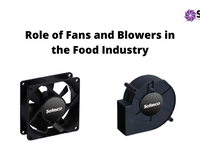

In the realm of ventilation, heating, and air conditioning systems, the Squirrel Cage Blower Fan stands as an unsung hero, tirelessly ensuring the smooth flow of air to maintain comfort and efficiency. This blog aims to unravel the mysteries surrounding this unassuming yet indispensable device, shedding light on its components and elucidating the vital functions it performs in diverse environments.
Overview of Squirrel Cage Fan
A Squirrel Cage Blower Fan is a type of centrifugal fan characterized by its distinctive impeller design. The name "squirrel cage" is derived from the appearance of the impeller, resembling the exercise wheel found in hamster cages. Unlike axial fans, which move air parallel to the fan's axis, squirrel cage blowers operate by drawing air into the center of the impeller and then expelling it radially. The basic structure comprises an impeller housed within a cylindrical or scroll-shaped enclosure, creating a highly efficient mechanism for air circulation.
Key Components and Functionality of Squirrel Cage Blower Fan
Understanding the inner workings of a squirrel cage blower fan involves examining its key components, each playing a vital role in the fan's overall functionality.
A. Impeller
- Shape and Design: The shape and design of the impeller are critical factors influencing the performance of a squirrel cage blower fan. Impellers are typically designed with forward-curved, backward-curved, or straight blades. The choice of design impacts the efficiency, noise level, and pressure characteristics of the fan.
- Role in Air Circulation: The impeller's primary function is to draw air into the center and expel it radially. As the impeller rotates, the centrifugal force generated accelerates the air outward, creating a continuous and directed airflow.
B. Housing
- Enclosure for the Impeller: The housing serves as the enclosure for the impeller, containing the airflow and guiding it through a specific path. It prevents air from escaping prematurely, ensuring that the impeller can effectively generate pressure.
- Impact on Airflow Efficiency: The design of the housing significantly impacts the efficiency of the squirrel cage blower fan. A well-designed housing maximizes the use of the generated airflow, preventing turbulence and optimizing the fan's overall performance.
C. Motor
- Types of Motors Used: Squirrel cage blowers commonly use electric motors due to their reliability, efficiency, and ease of control. The two main types of electric motors employed are:
- Single-Phase Motors: Suitable for smaller applications with lower power requirements.
- Three-Phase Motors: Commonly used in industrial settings, three-phase motors provide higher power and efficiency.
- Powering the Impeller: The motor's role is to provide the necessary rotational force to drive the impeller. The motor converts electrical energy into mechanical energy, allowing the impeller to create the centrifugal force required for efficient air circulation. The choice of motor depends on factors such as the size of the fan, power requirements, and the specific demands of the application.
D. Bearings
Bearings play a crucial role in supporting the rotational movement of the impeller. They reduce friction, enabling smooth and efficient rotation. Bearings are typically located at both ends of the motor shaft and require proper lubrication to prevent wear and maintain optimal performance.
E. Inlet and Outlet
The inlet provides the path through which air enters the blower, while the outlet directs the discharged air toward the application. In some designs, an inlet nozzle is used to improve the flow entering the impeller.
The relationship between the inlet, impeller, housing, and outlet affects the overall aerodynamic performance of the blower.
Types of Squirrel Cage Blowers and Impellers
Squirrel cage blowers are commonly associated with forward-curved centrifugal impellers, but centrifugal blower designs can use different blade geometries depending on the required performance.
Forward-Curved Blades
Forward-curved impellers use multiple blades that curve in the direction of rotation. This configuration is commonly associated with squirrel cage fans and is widely used in HVAC and air-handling applications. It can provide substantial airflow from a relatively compact wheel and is generally suited to clean-air applications requiring low-to-moderate static pressure.
Backward-Curved Blades
Backward-curved impellers have blades that curve opposite the direction of rotation. They are used when different efficiency and pressure characteristics are required and can be advantageous in applications where energy efficiency and higher pressure capability are important.
The appropriate blade configuration depends on the complete fan performance requirement rather than on airflow alone.
Radial Blades
Radial-blade centrifugal fans use blades oriented more directly in the radial direction. They are commonly selected for applications requiring robust operation and different pressure-handling characteristics from conventional forward-curved designs.
For this reason, the terms “squirrel cage” and “centrifugal blower” should not always be treated as exact synonyms for every centrifugal fan design. Squirrel cage fans are a particular configuration within the broader centrifugal fan family.


Applications of Squirrel Cage Blower Fans
Squirrel Cage Blower Fans, with their versatile design and efficient airflow characteristics, find extensive applications across various industries.
- HVAC Systems: Squirrel cage fans play a pivotal role in Heating, Ventilation, and Air Conditioning (HVAC) systems. Their ability to handle varying pressure conditions makes them a fundamental component in HVAC systems for residential, commercial, and industrial settings.
- Industrial Ventilation: In industrial environments, maintaining proper air quality is essential for the well-being of workers and the efficiency of operations. Squirrel cage blower fans are used for industrial ventilation to exhaust contaminated air and introduce fresh air.
- Automotive Cooling Systems: Squirrel cage fans are integral components in automotive cooling systems. In vehicles, these fans are used to enhance airflow over radiators and heat exchangers, helping regulate the temperature of the engine and other critical components.
- Electronic Cooling: In electronic devices and server rooms where heat dissipation is a significant concern, squirrel cage blower fans are employed for electronic cooling. These fans help dissipate the heat generated by electronic components, preventing overheating and ensuring the optimal performance and longevity of sensitive equipment.
- Aerospace Applications: Squirrel cage blower fans also find applications in the aerospace industry. In aircraft, where weight and space considerations are critical, these fans are utilized in ventilation and environmental control systems.
How to Select the Right Squirrel Cage Blower
The correct squirrel cage blower should be selected according to the complete operating requirement rather than a single specification.
Consider the following factors:
- Required airflow: Determine the required CFM or air volume at the intended operating condition.
- Static pressure: Calculate the pressure resistance created by ducts, filters, heat exchangers, grilles, and other system components.
- Operating point: Use the blower performance curve to identify the airflow and pressure required at the actual system operating point.
- Impeller design: Select the appropriate blade configuration based on airflow, pressure, efficiency, noise, and application requirements.
- Motor type and voltage: Match the motor to the available electrical supply and required speed and control method.
- Physical dimensions: Verify the blower's width, height, depth, inlet, outlet, and mounting requirements.
- Operating environment: Consider temperature, humidity, dust, vibration, and other environmental conditions.
- Noise requirements: Evaluate fan speed, blade geometry, housing design, and system configuration when sound level is important.
- Duty cycle: Confirm that the blower and motor are appropriate for continuous or intermittent operation.
- OEM requirements: For equipment manufacturers, consider the complete mechanical, electrical, thermal, and control requirements before final selection.
For demanding applications, the best blower is not necessarily the one with the highest maximum airflow. It is the one that delivers the required airflow at the required static pressure while meeting the application's dimensional, electrical, acoustic, environmental, and reliability requirements.
Advantages and Disadvantages of Squirrel Cage Fans
Advantages of Squirrel Cage Blower Fans
- Energy Efficiency: The centrifugal design of the impeller allows for the efficient conversion of electrical energy into kinetic energy, resulting in a high volume of airflow with relatively low power consumption. This energy efficiency not only reduces operational costs but also aligns with the growing emphasis on sustainable and eco-friendly technologies.
- Compact Design: The compact design of squirrel cage blower fans makes them well-suited for applications with limited space. Their ability to deliver significant airflow in a relatively small form factor is particularly advantageous in scenarios where space constraints are a critical consideration.
- Low Noise Levels: Compared to some other types of fans, squirrel cage blower fans are known for their relatively low noise levels. The design of the impeller and housing minimizes turbulence, resulting in smoother airflow and reduced operational noise.
Limitations and Considerations
- Restricted to Certain Pressure Ranges: While squirrel cage blower fans excel in providing efficient airflow, they are somewhat restricted when it comes to handling extremely high-pressure conditions. In applications requiring very high pressure, other types of fans, such as axial fans, might be more suitable. It's essential to carefully consider the pressure requirements of a specific application to ensure that a squirrel cage blower fan is the right choice.
- Potential for Overheating: In certain operating conditions, squirrel cage blower fans may face the risk of overheating, especially when subjected to prolonged use or high temperatures. Adequate ventilation and cooling measures should be implemented to mitigate this risk. Additionally, selecting the appropriate motor with suitable thermal protection features can help prevent overheating issues and enhance the overall reliability of the fan.
Understanding both the advantages and limitations of squirrel cage blower fans is crucial for making informed decisions in selecting and implementing these fans in various applications. Being one of the reliable supplier in the industry, Sofasco International stocks the various types AC and DC axial fans, blowers, squirrel cage blower fans and more. If you have any doubts or queries, please get in touch with us.
Frequently Asked Questions About Squirrel Cage Fan
Q1. What is a squirrel cage fan?
A squirrel cage fan is a centrifugal fan that uses a cylindrical, multi-blade impeller to move air radially outward. The name comes from the wheel-like appearance of its impeller. These fans are commonly used in HVAC, air handling, ventilation, and equipment-cooling applications.
Q2. How does a squirrel cage fan work?
A motor rotates the squirrel cage impeller, drawing air into the center of the wheel and accelerating it outward through the blades. The surrounding housing or volute collects and directs the air to the outlet while contributing to pressure generation.
Q3. What are the main parts of a squirrel cage blower?
The main components include the impeller or blower wheel, motor, housing or volute, shaft, bearings, inlet, and outlet. The exact construction varies according to the blower design and application.
Q4. What is a squirrel cage impeller?
A squirrel cage impeller is the rotating wheel used in a squirrel cage centrifugal fan. It typically consists of multiple curved blades arranged around a cylindrical assembly. Its geometry directly influences the blower's airflow, pressure, efficiency, and acoustic characteristics.
Q5. What is the difference between a squirrel cage fan and an axial fan?
A squirrel cage fan moves air radially outward from the impeller, while an axial fan moves air primarily parallel to its shaft. Squirrel cage blowers are commonly used where the airflow must pass through ductwork or other sources of resistance, while axial fans are often used for high-volume airflow through relatively open paths.
Q6. Are squirrel cage blowers used in HVAC systems?
Yes. Squirrel cage centrifugal fans are widely used in HVAC and air-handling equipment, including air handlers, furnaces, air-conditioning systems, and ventilation equipment.
Q7. How do you select a squirrel cage blower?
Start with the required airflow and static pressure at the intended operating point. Then evaluate impeller type, motor voltage and speed, dimensions, noise, operating environment, duty cycle, and other application-specific requirements.
Q8. Can squirrel cage blowers be used for equipment cooling?
Yes. Compact centrifugal blowers can be used for equipment and electronics cooling where air needs to move through restricted passages, ducts, heat sinks, or other airflow-resistance components. The blower should be selected according to the required airflow and static pressure at the system operating point.